
Some businesses are legal, licensed, and profitable, and still can't keep a payment processor. They get declined at signup, or approved and then frozen. We've added 52 industry pages to 402pay, each at /industries under its own name, in 8 categories, from adult content and AI companion apps to research peptides, supplements, and sports betting.
This post covers why these businesses struggle, what 402pay does differently, what our Unacceptable Risk Policy allows, one limit on cards you should know about, and how to start.
Why these businesses struggle
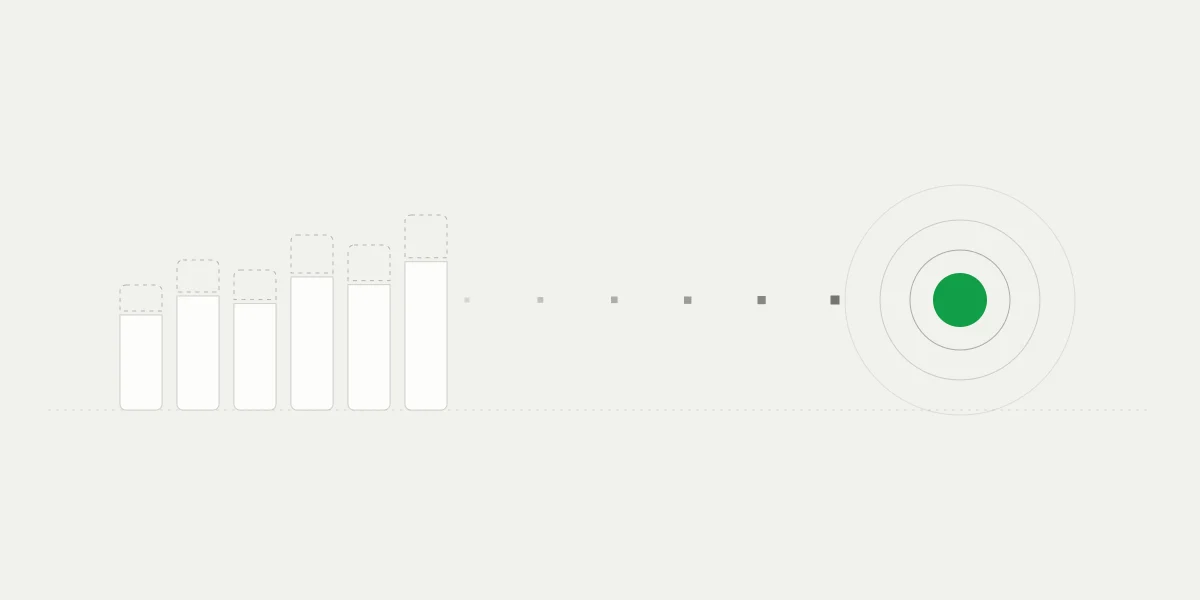
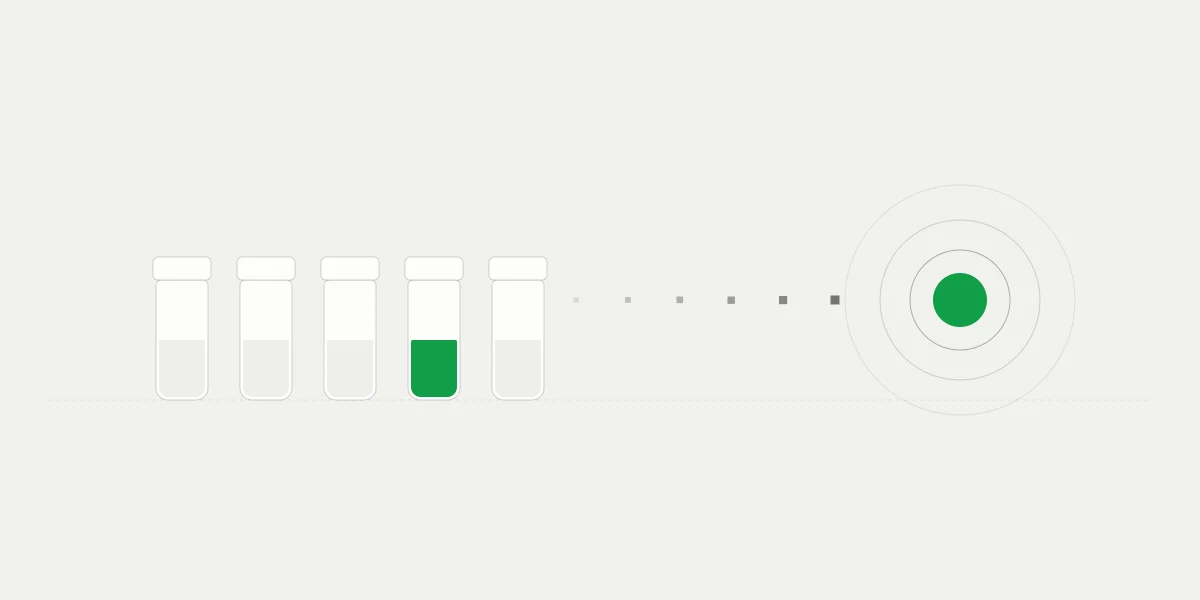
A traditional processor holds your money. Customers pay, the processor keeps the balance, and it pays you out later on its own schedule. For most businesses that is a minor inconvenience. For a business a processor sees as risky, it becomes the main event.
- Frozen balances: the processor stops paying out while it reviews an account, sometimes for weeks.
- Reserves: a share of each sale is withheld in case of disputes, and you can't spend it.
- Rolling holds: each payment is released after a delay, so cash arrives late and stays behind.
- Sudden closures: the account ends, and the balance goes with it.
None of this says your business is doing something wrong. It says the processor has your money and the power to keep it. Our post on self-custody and custodial processing covers why that difference matters.
What happens when there's no balance
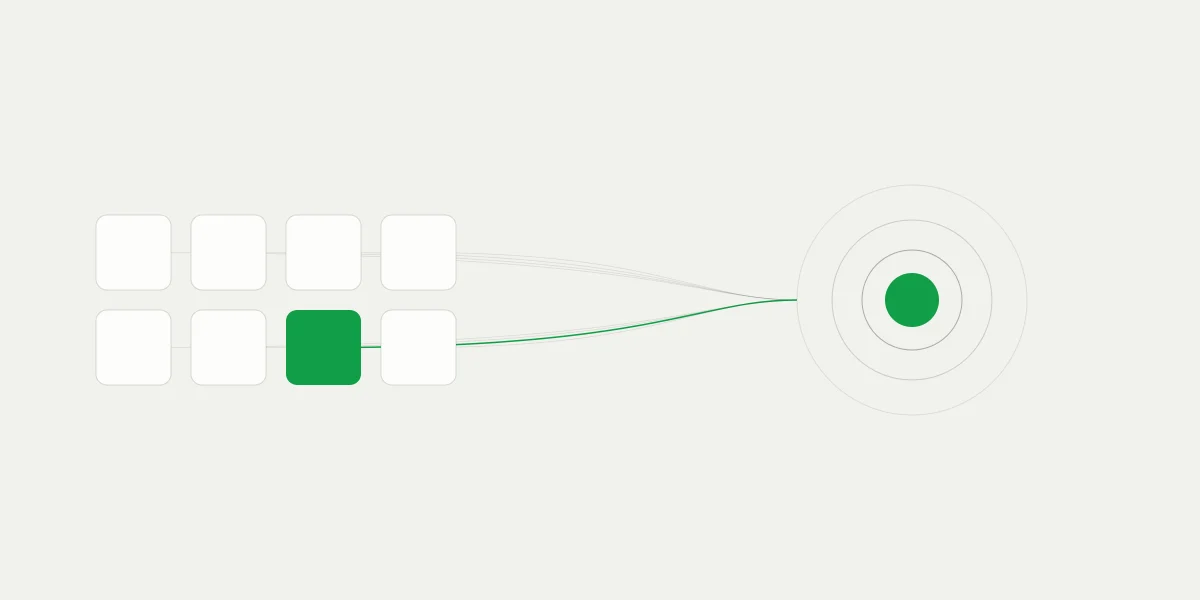
With 402pay, every payment goes straight to your own self-custody wallet. Your keys live in your browser, and a transfer out needs your password. 402pay holds no balance for you, so there is nothing to freeze, no reserve to build, and no payout schedule to wait on. When a crypto payment confirms, it is final.
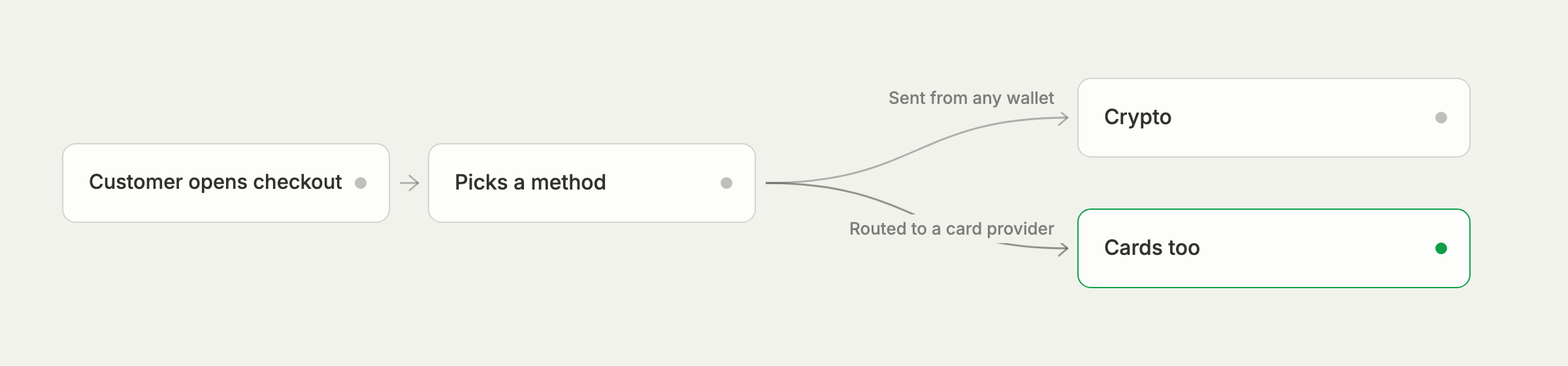
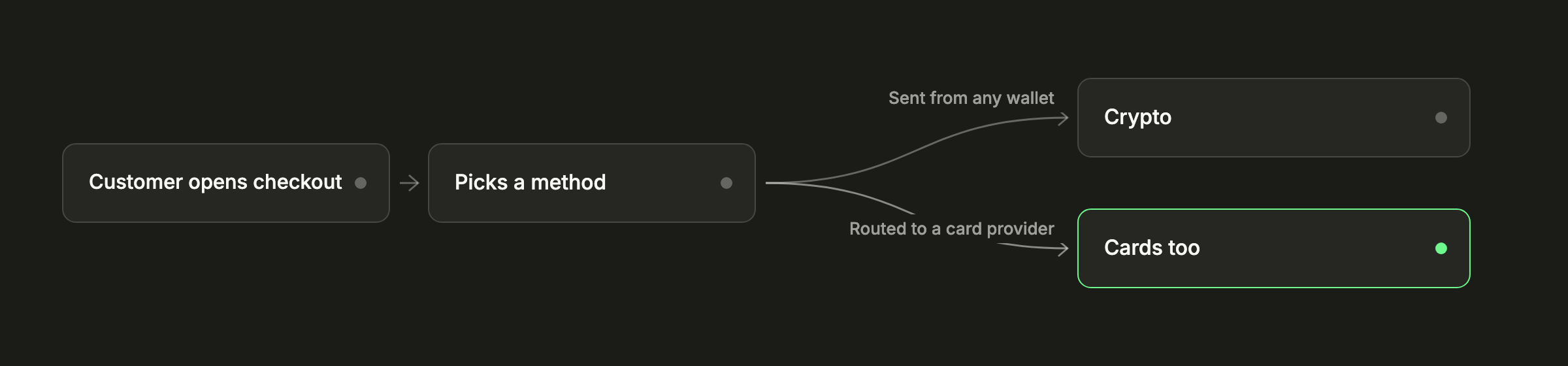
You can't freeze a balance that is never held.
This doesn't make a business exempt from anything. You still follow the law where you sell, and the policy below still applies. What changes is who holds the money while you do.
One checkout, every way to pay
The hosted checkout takes the ways customers actually pay, and your business doesn't build each one:
| Cards | Visa, Mastercard, American Express, Apple Pay, and Google Pay, paid on a card provider's secure page. The provider converts the payment and delivers it to your wallet in crypto. |
|---|---|
| Crypto | Many coins and networks, with an address for each checkout. |
Customers see checkout in their own language, the rate is locked while they pay, and checkout asks for the rest if a payment comes in short. Each payment gets a receipt page they can keep. If someone else is paying, a pay request lets them.
You reach checkout with payment links or the API. Your server hears about a paid order from signed payment.succeeded webhooks, so it fulfills only what is confirmed. See verifying webhook signatures for the check.
What the Unacceptable Risk Policy allows
The policy is the line between a business we can serve and one we can't. It rules out illegal activity and weapons outright, and it names categories such as prescription drugs and age-restricted goods that are prohibited when sold without the license, prescription, or age checks the law requires. Where a business is legal and licensed, those same goods can be sold.
That is how the industry pages are meant to be read. A telehealth practice that prescribes as the law requires, a vape or kratom seller who checks age as the law requires, and a licensed operator in a market that permits it are all in scope. Legal adult content is too, while content that exploits minors or isn't consensual never is. 402pay doesn't check your license, your customers' ages, or where you sell. Those duties are yours.
Read the policy before you start
The lists in the Unacceptable Risk Policy are examples, not a complete list. If you aren't sure your business qualifies, ask before you start accepting payments.
How cards work
There's no merchant account or card underwriting to win.402pay routes each card payment to a card provider that serves the customer's country and the amount, the customer pays on that provider's secure page, and the provider delivers the payment to your wallet in crypto. Where no provider serves a customer's region, checkout offers crypto and your other methods instead.
Cards also carry a different kind of risk. A crypto payment is final, but a card payment can be disputed by the cardholder. Read card payments from day one and refunds and disputes before you rely on them.
Find your industry and start
The industries directory lists all 52 pages by category. A few to start with: adult content sites, AI companion apps, research peptides, nutraceuticals and supplements, sports betting, and crypto businesses.
- Open your industry's page and read what it says about paying and getting paid.
- Create your account and set up your business, including your wallet.
- Make a payment link, or follow the accept a payment guide for the API.
- Share the link and accept your first payment. The first payment guide walks through it.
Fees are zero during the public beta, and the pricing page has the fees that follow.
Common questions
- There are 52 industry pages in 8 categories, including digital services, adult content, AI and software, supplements and nutra, peptides and health, gaming and betting, regulated goods, and trading and crypto. The directory lists them all.
- A traditional processor holds the money between the customer's payment and your payout. That lets it freeze a balance under review, keep a reserve against disputes, or release payments on a rolling delay.
- Every payment goes straight to the business's own self-custody wallet. 402pay holds no balance, so there are no reserves, rolling holds, or payout schedule to wait on.
- Yes, with no merchant account or card underwriting. Each card payment is routed to a card provider that serves the customer's country and the amount, and arrives in your wallet in crypto. Where no provider serves a customer, checkout offers crypto instead.
- The Unacceptable Risk Policy decides which businesses can use 402pay. It allows regulated goods where the business is legal and licensed. Checking licenses, ages, and where you sell remains your responsibility, and we can't promise approval in advance.
- No. A confirmed crypto payment is final. Card payments are different, because the cardholder can dispute them with their bank.
See what 402pay can do for you.
Discover how 402pay helps your business accept any card and get paid in crypto, straight to a wallet you control.