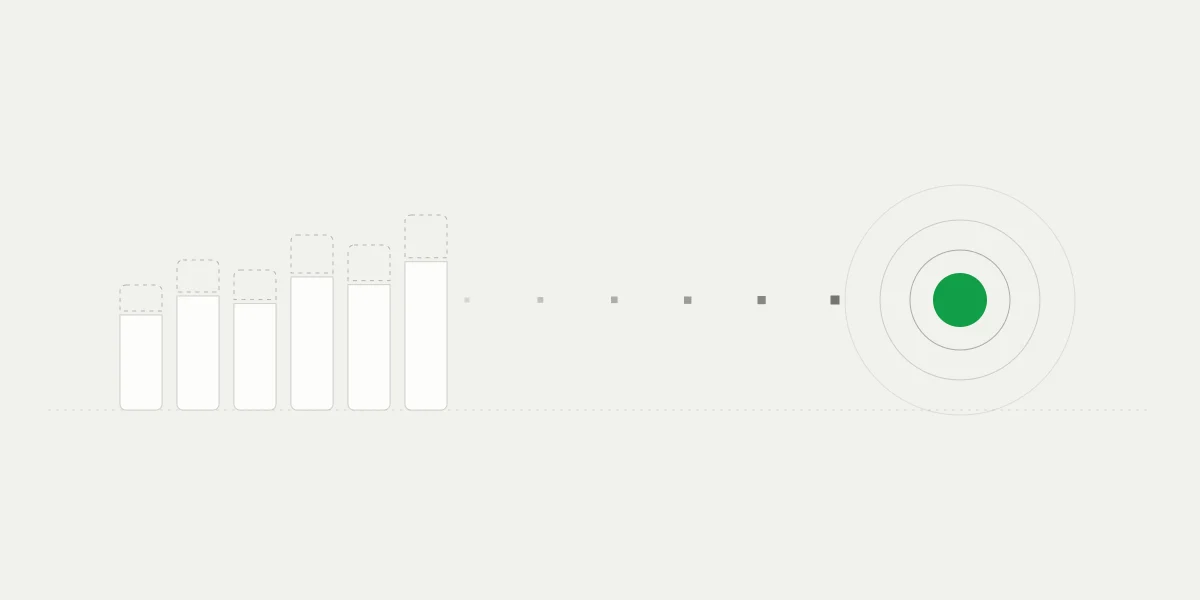
A high-risk merchant account rarely pays out everything it collects. A share of each day's sales is held back as a rolling reserve and returned months later, and the offer usually describes it in a single line: a percentage and a number of days. That line can matter more than the rate.
This post covers how a rolling reserve works, what one ties up in a worked example, why processors ask for them, what else delays a merchant's cash, and how a self-custody processor like 402pay differs.
How a rolling reserve works
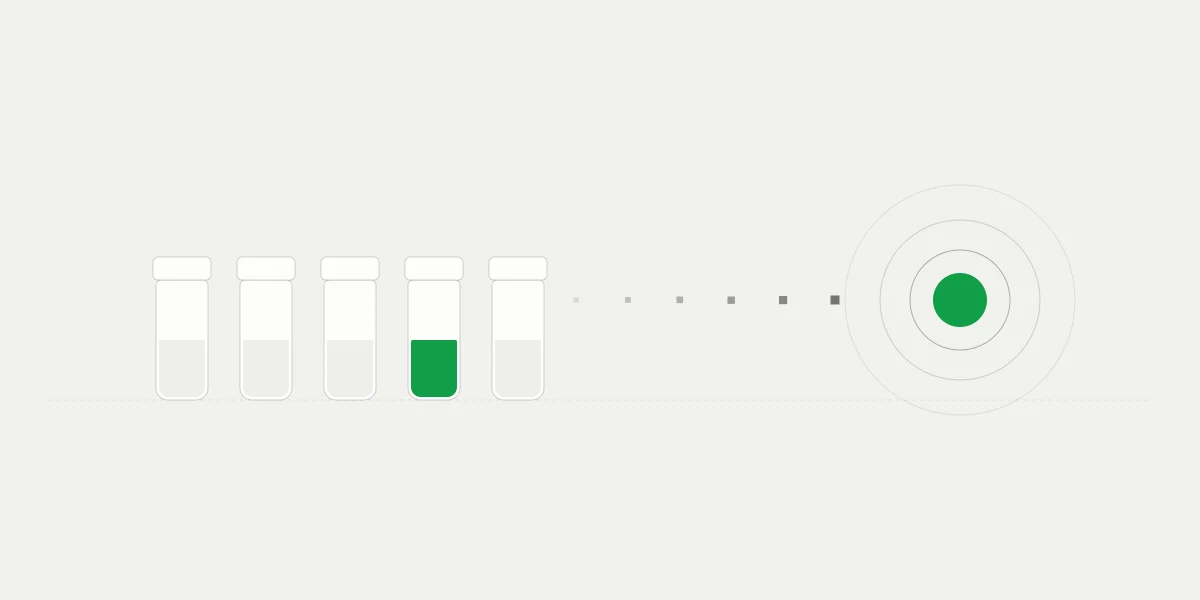
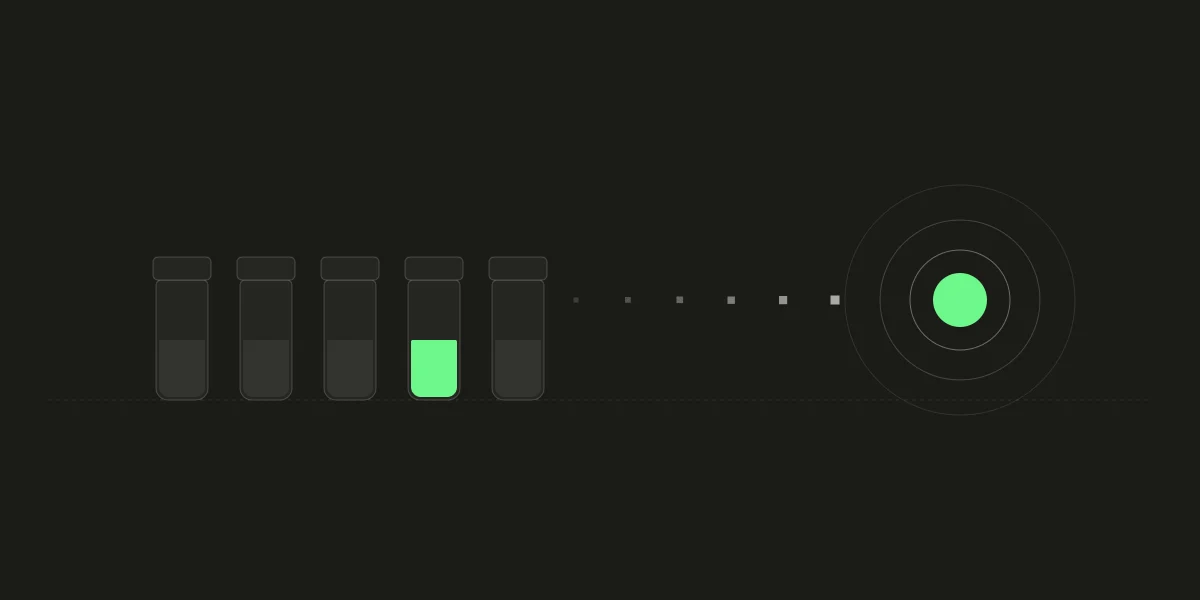
A rolling reserve has two numbers: a percentage and a holding period. Each time the processor funds your sales, it keeps the percentage back and pays out the rest. Each held amount is released when its own holding period ends, so money goes in and comes out every day, and the total held settles at a level set by your volume.
The terms around it vary, and the offer should spell each one out:
| Rolling reserve | A percentage of every settlement, held for a fixed period and released on a schedule as each amount comes due. |
|---|---|
| Up-front or capped reserve | A fixed sum held at the start, or a percentage held until the reserve reaches a set amount, then kept at that level. |
| Hold | Funds kept back outside the reserve, often sales above a volume limit or under review, released when the bank is satisfied. |
Reserves are usually reviewed and can come down as an account builds history. They can also go up, and they usually outlast the account itself, because the bank keeps the last months of holdback after you stop processing.
What the reserve ties up, worked through
Take a hypothetical merchant that processes $100,000 a month by card, evenly, under a 10% reserve held 180 days. Counting the hold as six months, the reserve builds like this:
| Measure | Held this month | Released | Held in total |
|---|---|---|---|
| Month 1 | $10,000 | None | $10,000 |
| Month 2 | $10,000 | None | $20,000 |
| Month 3 | $10,000 | None | $30,000 |
| Month 4 | $10,000 | None | $40,000 |
| Month 5 | $10,000 | None | $50,000 |
| Month 6 | $10,000 | None | $60,000 |
| Month 7 | $10,000 | $10,000 | $60,000 |
| Month 8 | $10,000 | $10,000 | $60,000 |
For the first six months the merchant receives 90% of its sales and nothing comes back. From the seventh, each month's release matches the new holdback, and the reserve stops growing at $60,000. That money stays out of reach for as long as the account stays open.
- $60,000
- Held at all times, once the reserve is full
- 60%
- Of a month's sales, out of reach
- $7,200
- A year's cost of carrying it, at a hypothetical 12% borrowing rate
The carrying cost is the quiet part. A merchant that funds inventory, advertising, or payroll on credit pays interest on money it has already earned. And when the account closes, the last six months of holdback come back over the six months after, less any chargebacks the bank takes from it.
A reserve is revenue you've earned and can't use yet.
Why processors hold reserves
The reasoning is sound from the bank's side. A card payment can be disputed long after it was made, and when a merchant can't cover a chargeback or a refund, the acquiring bank pays it. Industries with more disputes, products delivered later, and new accounts with no history all carry more of that risk. A reserve is the bank's security against it: money already in hand if disputes arrive after the merchant can no longer pay them.
None of that makes the cost smaller for the merchant. It explains why a supplement brand or an adult site with a clean record often pays it, and why reducing it takes a negotiation and a processing history rather than a request.
What high-risk processors publish
A few high-risk processors publish their reserve terms. They fall in the same range as the example:
| SoarPay | Typically 5 to 10% of volume, held in a non-interest-bearing escrow account while the account matures, and released based on periodic reviews[1]. |
|---|---|
| Verotel | A 10% six-month rolling reserve on every account[2], which its merchant agreement says is kept by an escrow agent for 26 weeks[3]. |
| Durango Merchant Services | A 5% to 10% rolling reserve held 90 to 180 days is typical for its high-risk accounts, and more after a shutdown or termination[4]. |
| Easy Pay Direct | Some high-risk accounts require a reserve, typically on a six-month rolling cycle with funds held at least 180 days[5]. |
The tail matters as much as the rate. Verotel's sample agreement says unpaid charges and holdback are paid six months after your last invoice when you cancel[3].
Payout delays and volume caps
The reserve isn't the only thing between a sale and the bank account. Two more terms hold cash back:
- Payout delays. Sales are funded in batches, days after they happen. SoarPay typically settles within 48 to 72 hours of a batch closing[1]. At $100,000 a month, every three days of delay is roughly another $10,000 in transit.
- Volume caps. A new account is approved for a monthly limit, and growth past it is held. SoarPay says volume processed above your approved monthly limit is typically held by the acquiring bank for at least 90 days[1]. A good month can tie up more cash than a bad one.
Add the three together and a growing merchant can have more than a month's revenue out of reach while it does nothing wrong. A frozen account, or a processor that goes offline, puts all of it at risk at once.
How self-custody changes the math
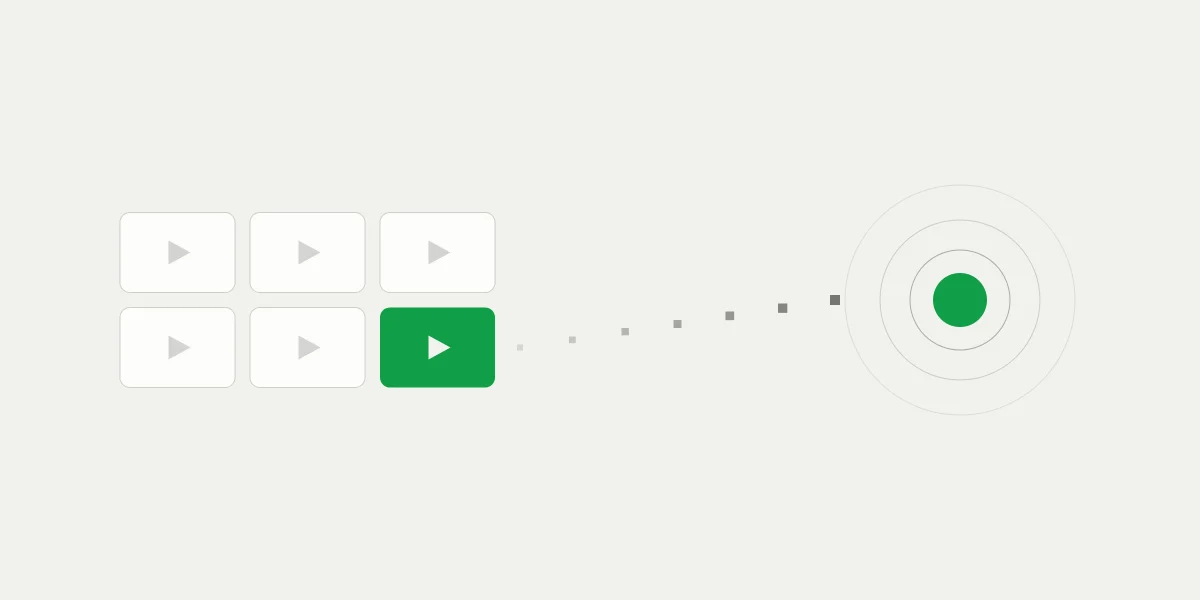
402pay never holds a merchant's money, so there is nothing to hold back. A crypto payment settles to your own wallet when its network confirms it. A card payment is routed to a card provider that serves the customer's country and amount, the customer pays on that provider's secure page, and the provider delivers the payment to the same wallet in crypto. There is no balance in between, so there is no reserve, no payout schedule, and no held volume, on cards or crypto. See how card payments reach your wallet.
In the example above, the $60,000 that would sit in a reserve stays in the merchant's wallet from the day each payment arrives. Our post on self-custody and custodial processing covers what else changes.
What stays with you
No reserve doesn't mean no risk. A cardholder can still dispute a card payment with their bank, and you're asked for evidence. Refunds are sent from your wallet, so keep enough there to cover them. A crypto payment is final once it confirms. 402pay's own fees go on a statement, and once you owe $25.00 or more, the next checkout whose total fits within what you owe pays 402pay's address instead of your wallet. See how fees are collected. Your licensing and the law where you sell stay yours, and our Unacceptable Risk Policy sets what a business may sell.
Common questions
- A percentage of every settlement that a processor or its bank holds for a fixed period, then releases on a schedule. It secures the bank against chargebacks and refunds the merchant can't cover.
- About 6 months of holdback, or 60% of one month's sales, once the reserve is full. A merchant processing $100,000 a month would have about $60,000 held at all times.
- Each held amount is released when its holding period ends. After an account closes, the last months of holdback are usually paid out over the holding period that follows, less any chargebacks.
- No. Crypto payments settle to the merchant's own wallet, and card payments are delivered there in crypto by the card provider, so there is no balance to hold a reserve from.
- Yes. A cardholder can dispute a card payment with their bank, and the merchant is asked for evidence. Refunds are sent from the merchant's wallet.
References
- [1]Frequently asked questions. SoarPay.
- [2]Products and price chart. Verotel.
- [3]Merchant agreement. Verotel.
- [4]High-risk merchant account. Durango Merchant Services.
- [5]Reserves and risk controls explained. Easy Pay Direct.
See what 402pay can do for you.
Discover how 402pay helps your business accept any card and get paid in crypto, straight to a wallet you control.