Getting paid should be the easiest part of running a business. Too often it's the slowest. Card processors hold your revenue for days and pay it out minus reserves. Crypto processors settle faster, but most of them hold your money along the way, and few let a customer pay with the card already in their wallet.
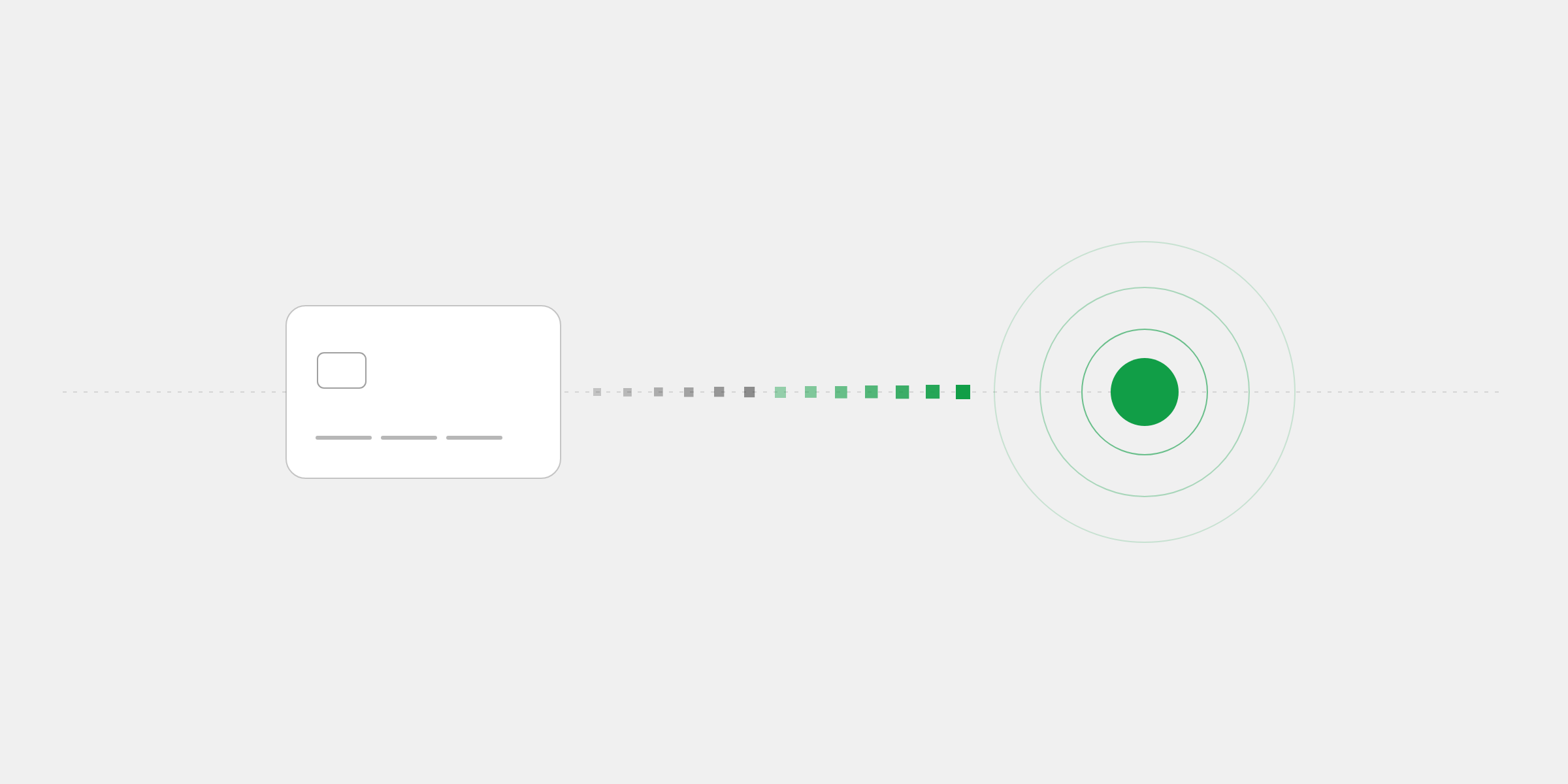
Today we're introducing 402pay, card-to-crypto payment processing through a single API. Your customers pay the way they already do, with a card, Apple Pay, Google Pay or crypto from any wallet. You get paid in crypto, straight to a wallet only your business controls.
Why we built it
Stablecoins quietly changed what settlement can look like. A dollar of USDC can cross the world in seconds, on a Sunday, for a fraction of a cent, and it arrives as money you can use the moment it lands. For a business selling across borders, that's a different world from waiting on a bank.
The trouble is that most customers don't hold stablecoins. They hold cards. So a business that wanted crypto settlement had two bad options: turn card customers away, or accept cards the old way and wait for the money like everyone else.
402pay closes that gap. When a customer pays by card, the payment is converted to crypto before it reaches you, so every sale ends up in the same place and in the same form, whichever way it was paid. And because that place is a wallet you hold, not an account we run, there's no payout to wait for at the end of it.
One checkout, one integration, one balance you actually hold.
Who it's for
We built 402pay for businesses that sell to people in more than one country, and for anyone tired of waiting on payouts. A few of the businesses we had in mind while building it:
- Online stores and digital products, with a payment link on a product page and no plugin to install.
- Software and SaaS companies that create payments from their server and fulfill on a webhook.
- Freelancers and agencies with clients abroad, who invoice in their own currency and get paid in a stablecoin.
- Creators and communities, taking crypto from the fans who hold it and cards from everyone else.
What they have in common is a customer base that pays in different ways and a business that would rather receive one thing, in one place, as soon as possible. That's the problem 402pay is built to solve.
And if your customers already pay you in crypto by sending to an address you pasted into a chat, you'll stop matching transfers to orders by hand on day one.
How a payment works
Every payment follows the same short path. You ask for it, by sharing a payment link or creating a payment from your server with one API call. Your customer opens the hosted checkout and picks how to pay: a card, Apple Pay, Google Pay or any coin you accept. Once the network confirms the payment, it's in your wallet, and your server receives a signed webhook to fulfill the order.
Crypto payments tend to go wrong in quiet ways: a wallet that rounds, an exchange that takes its cut, a customer who pays tomorrow. Rather than leave those to you, checkout handles them as part of the payment:
- Every checkout gets a fresh address, so each transfer matches its order without memos.
- The price holds for 15 minutes by default, long enough to open a wallet app.
- A payment within 0.5% counts as paid; anything shorter is marked underpaid, and you choose whether to accept it or ask for the rest.
- A late payment is still caught for 7 days after its quote expires, and held for your review.
The result is that every payment ends in a clear state you can act on: paid, underpaid, needing review or expired, never a transfer you have to go hunting for.
Self-custody, by design
Most payment companies hold your money. We built 402pay so that we never can. Your wallet's recovery phrase is created and encrypted in your browser, with a password only you know. We store that encrypted copy and the public keys we need to create checkout addresses, and nothing else, so we can't move, freeze or reverse your funds.
The same principle runs through the rest of the product. API keys can read balances but never move money: every send is signed in your browser. And if 402pay were ever unavailable, a public recovery page moves your Solana funds with nothing but your recovery phrase.
For a business, that changes the risk you take on. There's no reserve held back against future disputes, no account review that pauses your balance, and no single company standing between you and your revenue. It's the biggest difference between us and most processors, and our comparisons go through it one company at a time.
Your keys, your responsibility
Because we never hold your keys, we can't recover them either. Back up your recovery phrase and encryption password somewhere safe and offline.
Getting paid, day to day
Once you're set up, there isn't much left to do. Every payment appears in your dashboard with what was paid, how, and on which network. Your balance is simply your wallet's balance: there's nothing to withdraw and no payout date to wait for.
Payments don't always arrive tidy, and that's fine. If a customer sends too little, checkout shows them what's left. If they send too much, all of it lands in your wallet. Either way you decide what happens next, and the money never sits with us while you think about it.
A few settings shape how checkout behaves for your business. You can choose which coins and networks to offer, how long a price holds, and how much of a shortfall still counts as paid. And if you'd rather your customers covered the processing fee, turn on Customers pay the fees and checkout adds it to the price, so the full amount you asked for is what arrives.
If you know other businesses that should be using 402pay, the partner program pays you a share of the fees they pay, for as long as they're with us.
Built for developers, ready without them
You don't need any code to get paid. Create a payment link, set a price in the currency you sell in, and share it anywhere: a product page, an invoice, an email or a post in your community.
When you're ready to build payments into your own product, the API is small and predictable. It was designed around the things that make payment integrations go wrong:
- Signed webhooks, retried until your server answers, so you never miss a paid order.
- Keys scoped to exactly what an integration needs, and none that can move money.
- Idempotent requests, so a retried call never creates a payment twice.
- Your own reference on every payment, so an order and its payment always find each other.
The quickstart takes you from a new account to a fulfilled order in five steps, and the integrations page shows every way in, from a payment link on any platform to plugins on the way.
Pricing, and what's next
Pricing is deliberately simple, with no setup fees and no contracts. Crypto payments cost 0% at an introductory rate, card payments, Apple Pay and Google Pay cost 3% and are in beta, and each payment that succeeds carries a flat $0.25.
A self-custody wallet is $5 a month, or $15 to connect one you already use. Nothing ever comes out of a payment: it lands in your wallet whole, and our fees go on a separate statement.
Checkout accepts payments on Solana, Polygon, Ethereum, Tron and Bitcoin today. Next, we're building an MCP server so AI agents can accept payments through 402pay, and we're listening for the coins and networks you want next. If you sell online, across borders, or just want your revenue in your own hands, we'd love to help you get paid.
See what 402pay can do for you.
Discover how 402pay helps your business accept any card and get paid in crypto, straight to a wallet you control.